
Quick Answer: Can You Cancel a Home Purchase in Texas Because of Buyer’s Remorse?
No. Texas has no cooling-off period for home purchases, so you can’t cancel just because you changed your mind. Your options come from the contract itself, such as the option period in the standard TREC contract or other contingencies, or from a seller’s failure to disclose known problems.
Key takeaways
- The TREC option period lets a buyer terminate for any reason, but only within that paid window.
- Sellers must disclose known issues such as water damage or structural problems.
- Act quickly and speak to a real estate attorney – exit windows are time-limited.
- Research, a firm budget and a professional inspection are the best protection.
Buying a home is a big decision and can bring many emotions. Sometimes, what seemed like the perfect home can lead to regret. This feeling is known as buyer’s remorse.
It’s common for people to second-guess their decision after making a large purchase, especially something as significant as a house.
This article will explore buyer’s remorse and how it applies to buying a house in Texas.
We will also discuss the legal aspects, steps you can take if you regret a purchase, and tips to help you avoid buyer’s remorse.
Let’s dive in and see what you need to know about dealing with buyer’s remorse when buying a house in Texas.
Understanding Buyers Remorse
Buyer’s remorse is regret or anxiety after buying a home, usually triggered by cost, unexpected repairs or the home not matching expectations. It is common and doesn’t on its own give you any legal right to undo the purchase.
Buyer’s remorse is a feeling of regret after making a big purchase.
When buying a home, this feeling can come from different sources. Maybe the house needs more repairs, or the area isn’t as nice as you hoped.
It’s normal to feel a little uneasy after such a significant commitment.
Several factors contribute to buyer’s remorse. High costs, hidden issues, and mismatched expectations are common triggers.
Sometimes, the excitement of buying a home can cloud your judgment, leading to decisions you might rethink later.
It’s important to understand that buyer’s remorse is usual and happens to many people.
Acknowledging these feelings is the first step in dealing with them. Talking about your concerns can help.
You can discuss these feelings with friends, family, or a professional. Knowing what buyer’s remorse is and why it happens can better prepare you to address it if it comes up.
Texas Law on Buyer’s Remorse for Home Purchases
Texas has no cooling-off period for home purchases, so you can’t cancel just because you changed your mind. Your options to exit come from the contract itself, such as contingencies or an option period, or from a seller’s failure to disclose known problems.
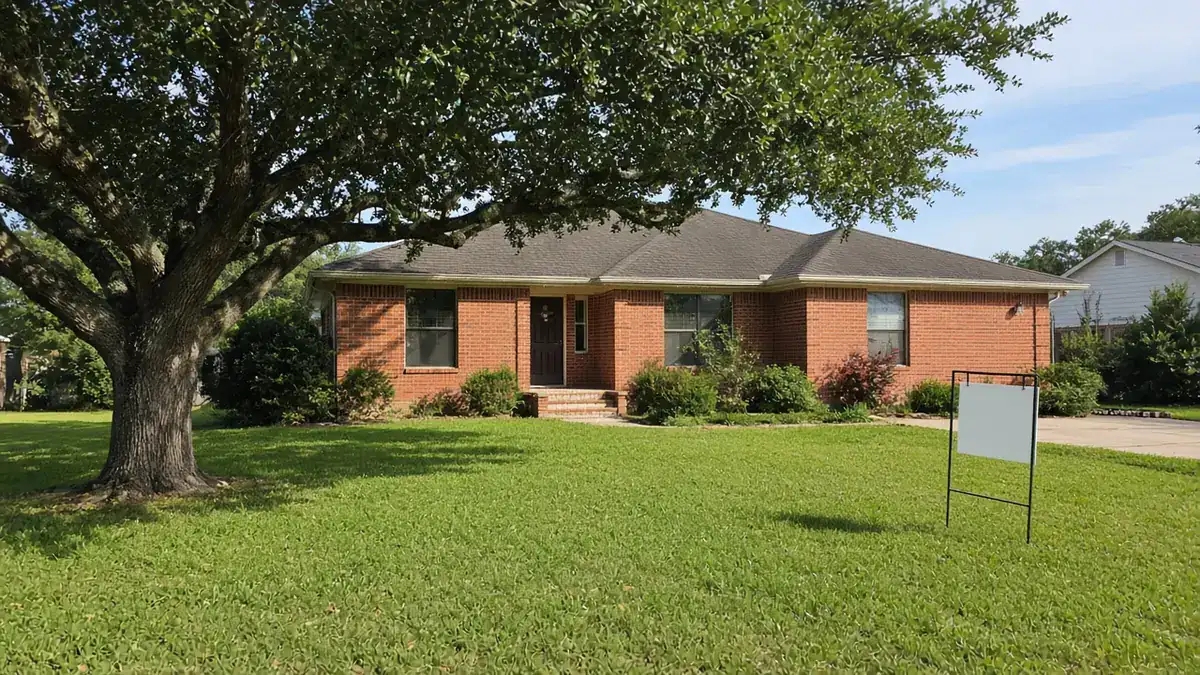
In Texas, buyer’s remorse laws are specific about home buying. Unlike smaller purchases, buying a house doesn’t have an automatic right to cancel the contract if you change your mind.
Once you sign the contract and the deal is finalized, it usually cannot be undone just because you have second thoughts. Sellers who want fewer moving parts often choose to sell their house for cash in Dallas, where there’s no lender approval to fall through.
One legal exit is the option period. In the standard TREC contract, the buyer pays for a set window during which they can terminate the contract for any reason. Once that window closes, this right generally ends.
Texas law does offer some protections for buyers. For example, the seller must provide full disclosure about the property, including any issues like water damage or structural problems.
If the seller fails to disclose important information, you might have legal grounds to cancel the contract or seek compensation.
It’s also worth noting that Texas has a cooling-off period for some types of sales, but this doesn’t apply to real estate. When purchasing a home, it’s crucial to read the contract carefully and understand all the terms before signing.
Consulting a real estate attorney can also help clarify your rights in case of buyer’s remorse.
Steps to Take if You Experience Buyer’s Remorse
Start by rereading your purchase contract for any contingency or termination rights, then speak to a real estate attorney before taking action. Act quickly, because most contract exit windows are time-limited.
Acting quickly is essential if you experience buyer’s remorse after buying a house. Here are some steps to consider:
1. Review Your Contract: Look over the terms of your purchase agreement. Some contracts have contingency clauses allowing you to back out under specific conditions. If you’re the seller, this is why a financing contingency can be risky – a cash home buyer doesn’t rely on mortgage approval.
2. Consult with a Real Estate Attorney: An attorney can help you understand your rights and options. They can also guide you on whether you have legal grounds to cancel the purchase.
3. Communicate with the Seller: If the property has undisclosed issues, the seller might be willing to negotiate a solution. This could include repairs or a price reduction.
4. Explore Financial Solutions: If financial concerns drive your remorse, consider refinancing options or adjusting your budget to better manage the new expenses.
5. Seek Professional Advice: Consulting a financial advisor or real estate expert can clarify issues and help you make informed decisions.
Understanding your contract and taking prompt action can help address buyer’s remorse more effectively.
Tips to Avoid Buyer’s Remorse
The best way to avoid buyer’s remorse is to research the area, set a firm budget including taxes and insurance, and get a professional inspection before you commit. Taking your time is cheaper than regretting a rushed decision.
Avoiding buyer’s remorse starts with careful planning and intelligent decision-making. Here are some tips to help you avoid regret after buying a house:
1. Do Thorough Research: Learn about the neighborhood, property values, and the home’s condition. This can prevent unpleasant surprises later on.
2. Set a Realistic Budget: Know what you can afford and stick to it. Consider all costs, including taxes, insurance, and maintenance.
3. Take Your Time: Don’t rush your decision. Visit multiple properties and give yourself time to think about each one.
4. Make a List of Must-Haves: Identify what you need in a home versus what you want. This helps focus your search and avoid buying something that doesn’t fully meet your needs.
5. Get a Professional Inspection: Hire a qualified inspector to check for hidden issues. This can save you from costly repairs in the future.
By following these tips, you can make a more informed choice and reduce the chances of experiencing buyer’s remorse.
Conclusion
In Texas, buyer’s remorse alone won’t cancel a home purchase, but your contract and disclosure rules may give you options. Preparation before signing is the best protection.
Buying a house is a significant decision that should be made carefully. Understanding buyer’s remorse and Texas laws can help you navigate this process more smoothly.
If you experience regret, taking the proper steps quickly can make a significant difference. And if you want to avoid regret, following simple tips like setting a budget and getting a thorough inspection can go a long way.
Thinking of selling your house for cash? See how fast you can close a house sale in Texas.
Contact Cash House Buyers USA today. We make the selling process simple, quick, and stress-free. Let us help you move forward with confidence.
Selling and worried your buyer might back out? Get a cash offer from Cash House Buyers USA – no mortgage approval, no financing fall-through.
Looking to delve deeper? Check out these compelling posts that might just spark your interest!