
Quick Answer: TL;DR
To sell land in Texas, you need to: confirm clean title and get an up-to-date survey; establish a realistic price using county appraisal district records and recent comparable sales; list on specialist platforms like LandWatch or Lands of Texas (or MLS for urban plots); and complete the sale through a Texas title company using a TREC Unimproved Property Contract. Alternatively, you can sell directly to a cash land buyer and close in as little as two weeks.
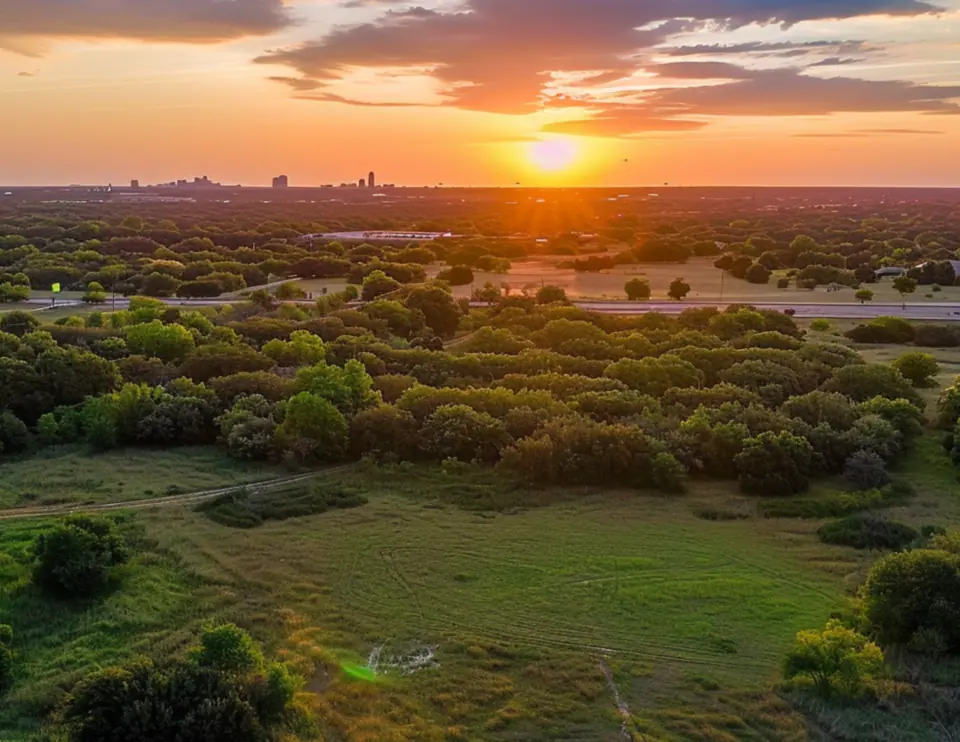
Selling land in Texas isn’t the same as selling a house. There’s no staging, no open days, and the buyer pool is completely different. But it can move quickly — or sit for months — depending on how you approach it.
Here’s a straight-forward breakdown of what matters.
The Texas Land Market Isn’t One Market — It’s Several
Texas is enormous, and land value is extremely location-dependent. A 10-acre plot in the Hill Country near Fredericksburg is a completely different asset to 10 acres outside Odessa. Before you price anything, you need to understand which sub-market you’re actually in:
- Urban-fringe land (around Austin, Dallas, Houston, San Antonio) — High demand from developers, moves faster, often priced per square foot rather than per acre
- Ranch and agricultural land — East Texas timber land, West Texas ranches; buyer pool is narrower but motivated; commonly sold via land-specialist brokers or auction
- Rural residential/recreational — Hill Country, lakefront plots, hunting land; lifestyle buyers, often cash purchasers, can take time to find the right one
- Vacant/undeveloped infill — Urban lots within city limits; often attracts builders; zoning is everything here
The mistake most sellers make is benchmarking against the wrong comparables. A recent sale in a different county or a different land type tells you very little.
What You Need Before You Can Sell
Get these sorted before you list — missing documents slow everything down, sometimes fatally:
- Deed — Confirm it’s in your name and there are no clouded title issues. If it’s inherited land, this is where things often get complicated.
- Survey — An up-to-date survey showing boundary lines. Buyers (and their lenders) will want this. Old surveys from the 1980s often cause problems.
- Tax records — Confirm you’re current on property taxes. Texas has no income tax but property taxes can accumulate fast on vacant land, and a lien kills a deal.
- Mineral rights status — In Texas, this matters. If mineral rights were severed from the surface, that affects value and needs to be disclosed.
- Zoning/deed restrictions — What can the buyer actually do with it? Knowing this upfront saves you wasted conversations.
You don’t legally need a real estate attorney in Texas, but on anything above a straightforward transaction, using one is worth the cost.
Pricing: The Appraisal Versus What Buyers Will Actually Pay
An appraisal gives you a defensible number. The market gives you a real one — and they don’t always agree.
For pricing vacant land:
- Pull recent sales of comparable parcels from the county appraisal district records (these are public in Texas)
- Check what’s currently listed — that tells you your competition, not your value
- Adjust for access (paved road vs. dirt track), utilities (water, electricity on-site or not), and topography
One practical issue: land takes longer to appraise accurately than houses because there are fewer comps. If you’re in a hurry to sell, pricing slightly below recent comparable sales moves things faster. If you have time, you have room to test the market.
How to Find Buyers
This depends on your land type and how fast you need to move:
Listing yourself or via agent:
- MLS listing is still effective — many buyer’s agents filter for land
- LandWatch, Land And Farm, and Lands of Texas are the specialist platforms worth prioritising over Zillow for rural parcels
- Facebook Marketplace genuinely works for smaller plots, especially recreational land
Selling to a land-buying company or cash buyer:
- Faster close (sometimes 2–3 weeks), no agent fees, no repairs or clearing required
- You’ll take a discount — cash buyers price in their risk and profit margin
- Worth getting at least two offers to establish a baseline
Auction:
- Works well for ranch land and larger parcels where the buyer pool is thin
- Can generate competitive bidding, but you pay seller’s premium and the outcome isn’t guaranteed
For quick sales — especially inherited land, tax-burdened parcels, or land you’ve simply held too long — a direct cash offer removes the friction entirely.
What Affects Negotiation
A few things most sellers don’t think about upfront:
- Access — Landlocked parcels without a legal easement are very difficult to sell. Confirm you have deeded access before listing.
- Seller financing — Offering to carry a note (installment sale) dramatically widens your buyer pool and can get you a higher price. Worth considering if you don’t need all cash immediately.
- Closing timeline — Cash buyers can close in days. Traditional buyers financing through a land loan (not a standard mortgage) typically need 30–45 days minimum.
- Commission — Land agent commissions in Texas are often higher than residential (5–10% is common on rural land). Factor this into your net.
Legal Requirements at Closing
Texas uses title companies rather than attorneys to close most real estate transactions. The title company handles:
- Title search and title insurance
- Escrow of funds
- Deed preparation and recording
- Property tax proration
TREC (Texas Real Estate Commission) governs contracts and disclosures. The standard TREC Unimproved Property Contract is used for most vacant land sales. You’ll need to disclose known material defects — this includes things like contamination, encroachments, or known boundary disputes.
The Fast Alternative: Sell for Cash
If the process above sounds like more work than the land is worth to you — that’s a legitimate conclusion. Inherited land, a plot you bought speculatively years ago, or a parcel with complications (title issues, back taxes, no utilities) can sit on the market a long time.
We buy land in Texas for cash, as-is, with no commissions and a straightforward process. Call or text (877) 405-9220 or fill in the form below for a no-obligation offer.
Common Questions
Do I need an agent to sell land in Texas? No. You can sell privately, through a land specialist, or directly to a cash buyer. An agent adds cost but also reach and negotiation experience — weigh that against your timeline and the complexity of the sale.
How long does it take to sell land in Texas? Varies significantly. Urban fringe land near a growing city can sell in weeks. Rural recreational land might take 6–12 months to find the right buyer at a fair price. Cash buyers can close in as little as two weeks.
What taxes apply when selling land? Capital gains tax applies on the profit (sale price minus your cost basis). If you’ve owned it over a year, long-term rates apply. Texas has no state income tax, but federal CGT still applies. Talk to a tax professional — especially if it’s inherited land, where step-up basis rules may significantly reduce your liability.
Can I sell land in Texas if I live out of state? Yes. You can sign documents remotely, and a title company can handle closing without your physical presence. You’ll likely need to grant power of attorney or arrange notarised remote signing.
What if there are back taxes on the land? They don’t have to be a dealbreaker. Cash buyers often purchase land with tax liens — the taxes are settled at closing from the proceeds. A title company can confirm the exact amount owed.
Cash House Buyers USA is not a law firm. This article is for informational purposes only — always seek qualified legal advice for your specific situation.